Sunday, March 22, 2015

Muscat Christmas & New Year 2014-2015


Every afternoon, lateon, scores of locals appear to play football on the beach. Some teams are 5 a side, others 11 or more. Skill levels vary but most are pretty good and very enthusiastic. Friday and Saturday games are followed by picnics with the extended families getting involved. They clear up after themselves as well - we could learn from that in the UK.

25 December 2014.
After a superb Christmas Day lunch and Santa had given out the presents, it was time for a stroll on the deserted beach.


How's this for starters?


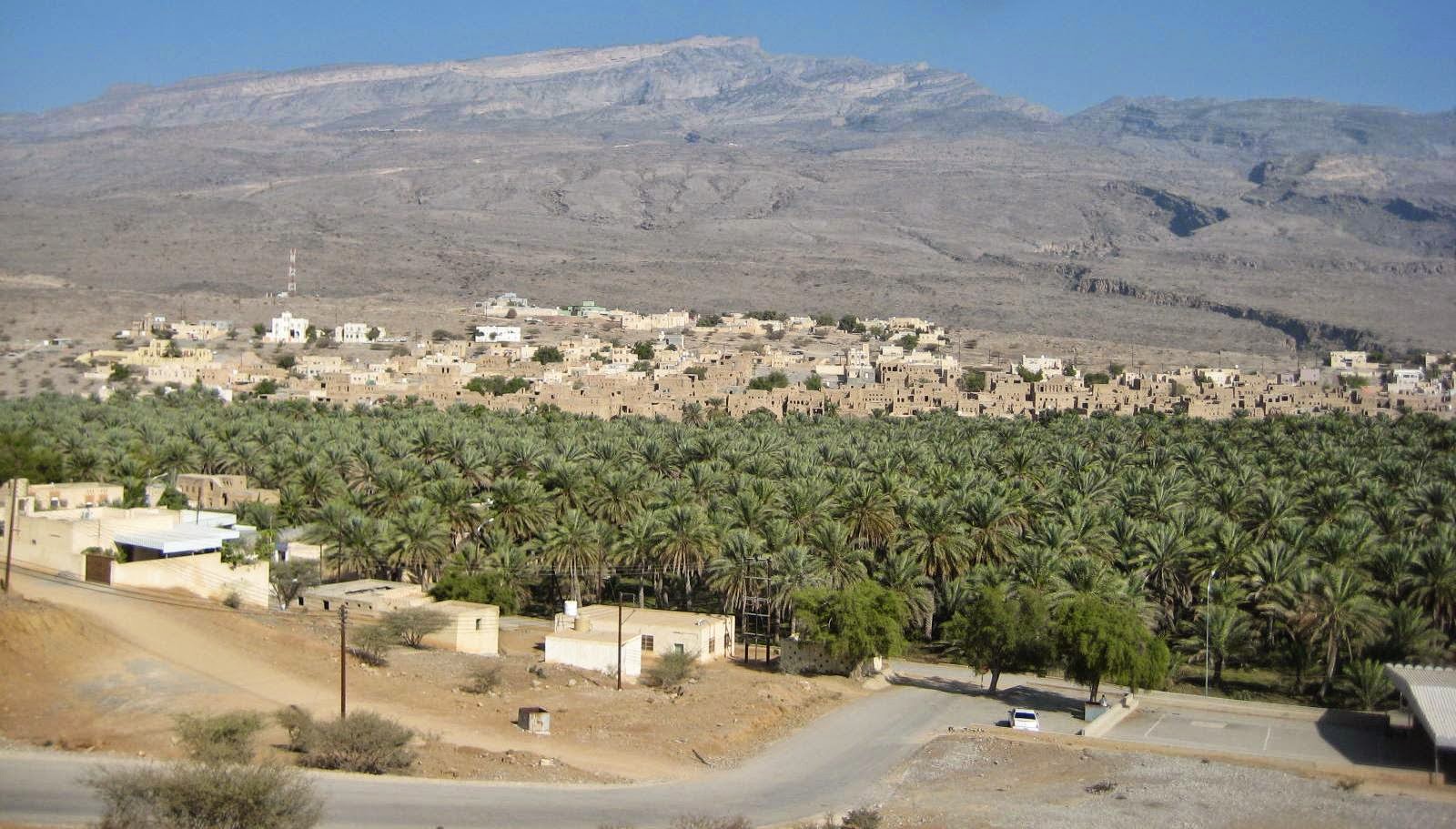
We had an enjoyable 2 hour drive out of Muscat to visit Oman's 'Grand Canyon'. En route we stopped at Al Hamra, which  lies at the foot of the Hajar Mountains. Al Hamra is one of Oman's oldest villages. People are building new houses there and thus many of the old mud brick houses on the upper slopes are abandoned and left empty. It has an eerie ghost town feel.


Wadi Ghul in Nakhar Canyon - otherwise known as Oman's Grand Canyon.
It isn't a mile deep or a mile wide but it is impressive nonetheless. It was marvellously quiet and  as we walked up the canyon. Although the temperature is high, the walking is not demanding and the 100oft cliffs provide plenty of shade. The wadi can be a torrent after the rains but today it is just a peaceful trickle. The shallow pools are teeming with small fish and birds flit about amongst the flowering shrubs. It is lovely and peaceful.


This near the top of Oman's highest mountain (the top is controlled by the military ) and one of the local recycling merchants at work.

Getting ready for the New Year's Eve bash.
Below: One of the less dramatic photos of the hotel - you can find the professional ones on the net. Grand Hyatt, Muscat? We loved it.

A New Year's Eve welcome before the champagne reception, dinner and great entertainment.


Wonderful food.


Tuesday, September 16, 2014

Il Borghetto, Tuscany

San Gimignano 


San Gimignano is a small walled medieval hill town, famous for its medieval architecture. It rises on top of a hill 334m above sea level, clearly visible in the distance with its many towers. Today 13 towers remain of the 72 towers of the fourteenth century, when every well off family built a tower to show its wealth and power. Within the town walls, the well-preserved buildings include examples of Romanesque and Gothic architecture. The town also is known for the white wine, Vernaccia di San Gimignano, produced from the ancient variety of Vernaccia grape which is grown on the sandstone hillsides of the area and which we greatly enjoyed. 


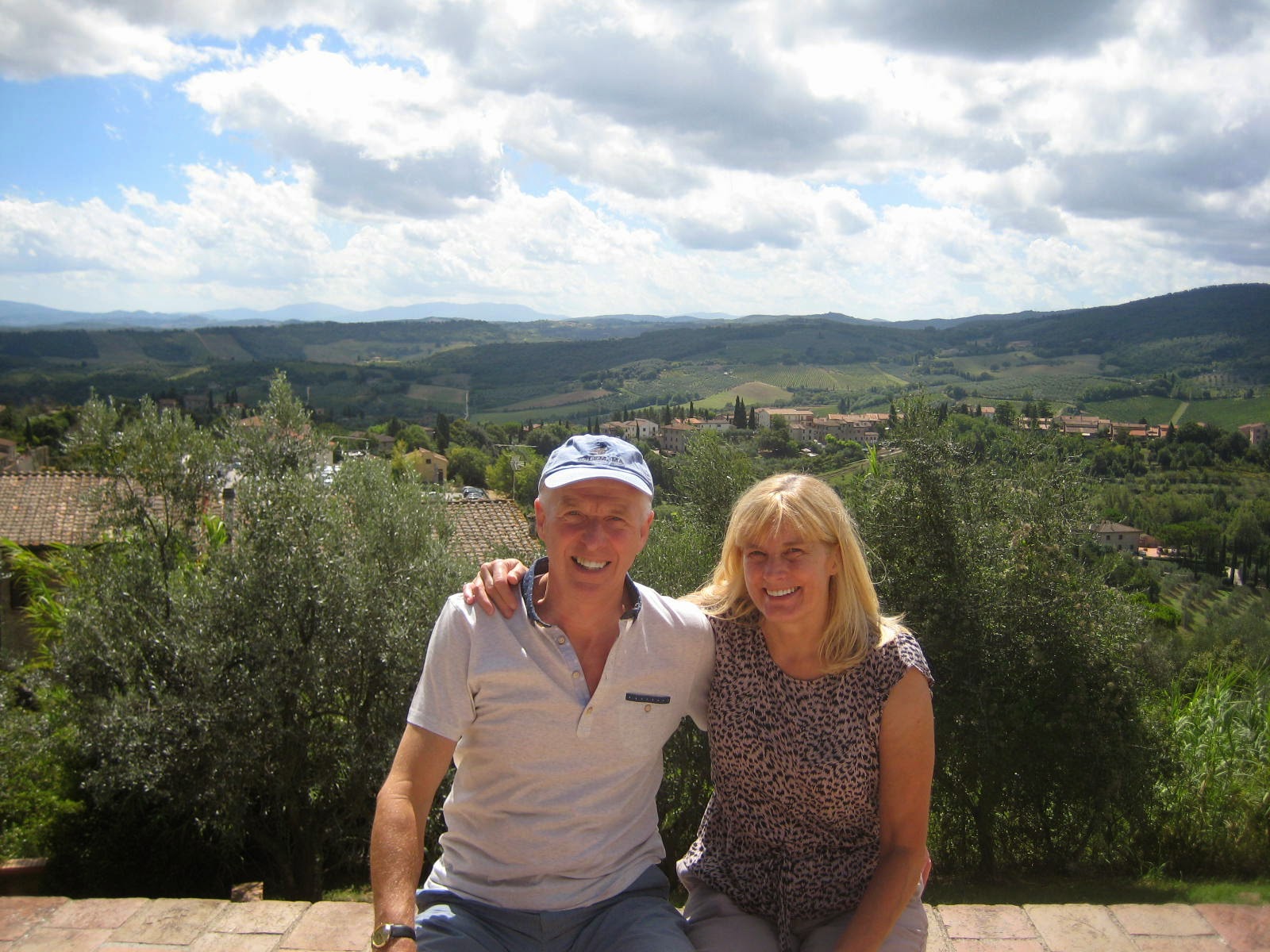
Below is the view from our bedroom window, vineyards, wooded hills and blue sky. We did not see any wild boar but did catch sight of a few deer. Not too many birds, regrettably the Italians shoot them all. However, there are conservation areas being set up where shooting is forbidden. Hopefully it is not too little, too late.

 Our villa, a derelict farmhouse when the family purchased it three years ago. They have worked wonders and it has been tastefully and carefully restored.
 Okay, we did the culture bit but also a couple of days by the pool reading books. It's  holiday after all. Lovely and quiet, as you can see.
Siena
The  Duomo was begun in the 12th century and is one of the great examples of Italian Romanesque-Gothic architecture. Its main façade was completed in 1380. It is unusual for a cathedral in that its axis runs north-south. This is because it was originally intended to be the largest cathedral in the world, with a north-south transept and an east-west nave. After the completion of the transept and the building of the east wall the money ran out and the rest of the cathedral was abandoned.

The shell-shaped Piazza del Campo, the town square, houses the Palazzo Pubblico and the Torre del Mangia, and is famous for hosting the Palio horse race.


We missed the racing but not the ice cream!


The nearest that we got to any wild boar...


Volterra
Once we got down the track from Il Borghetto to the main road, a 45 minute drive through beautiful undulating countryside took us to the hill town Volterra. The town was a Neolithic settlement and an important Etruscan centre and is believed to have been continuously inhabited as a city since at least the end of the 8th century BC.

Volterra is an important location in Stephenie Meyer's Twilight series. In the books, Volterra is home to the Volturi, a coven of rich, regal, powerful ancient vampires. However, the film was shot in Montepulciano!


The food was sumptuous, as was the local wine, served by the charming, very knowledgeable Nico.


A final view from our bedroom window before the drive back to Pisa Airport.


Sunday, June 1, 2014

Sculpture in the open air at Perry Green

Sunday 25 May was lovely and sunny, ideal for a drive through the beautiful Hertfordshire countryside. After a delightful picnic in a field we went to the Henry Moore Foundation at Perry Green.

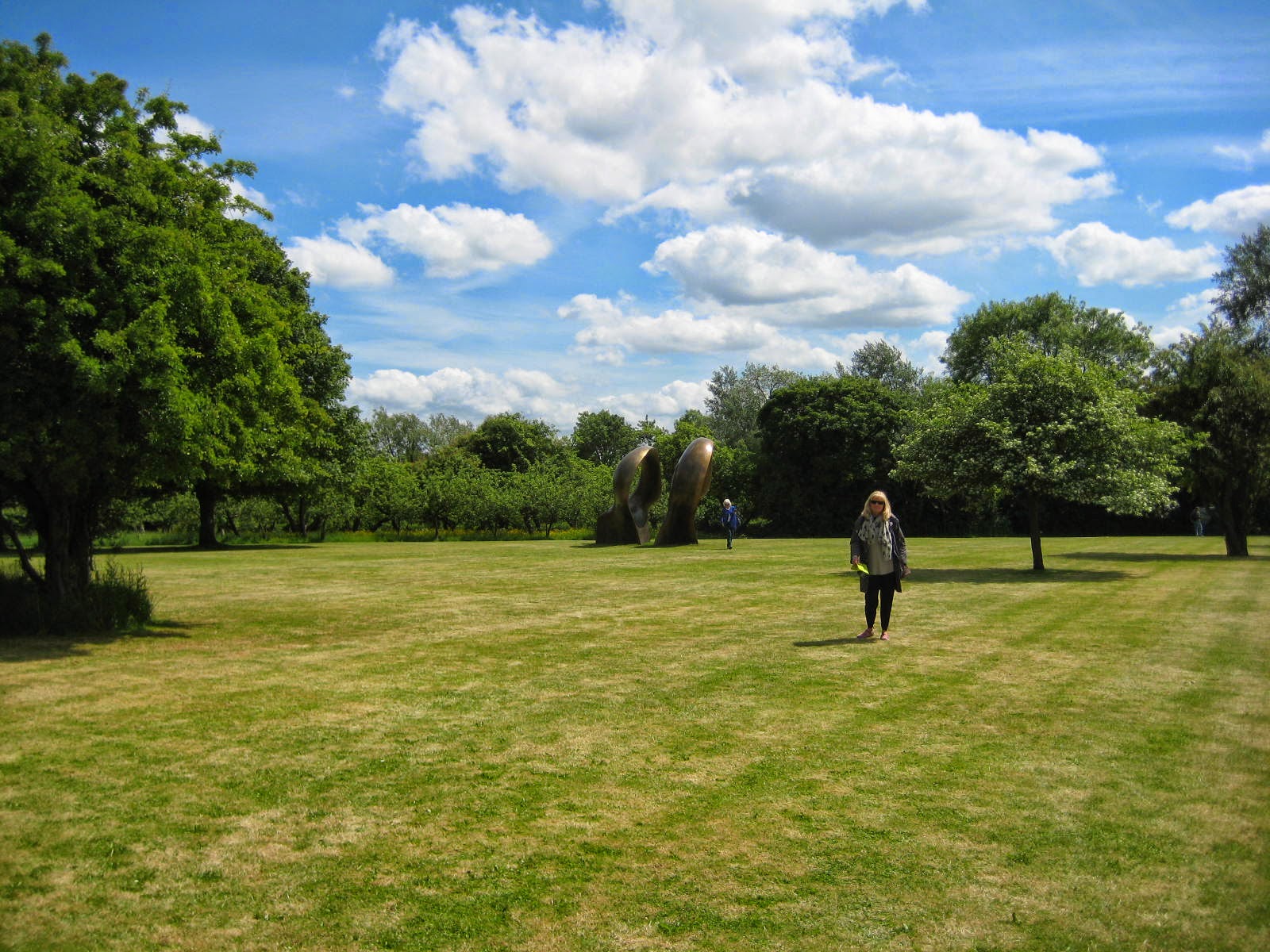
Moore wanted his larger bronzes to be free standing, seen within a landscape of fields, trees and sky and capable of being seen from all 360 degrees.

Do the bronzes look out of place in nature? That is a matter of opinion. Most have natural curves and reflect the bones, stones and flints that Moore collected and used as inspirations, whilst others look decidedly bizarre amongst the greenery.


Whilst the the large reclining figure on the hill is fascinating, it also reminds me of Sergeant Howie's fate in the Wicker Man!


Saturday, April 19, 2014

Loire Valley, April 2014

Stayed with Keith & Sue at their holiday home in Onzain. Great weather, blue sky all the way but with a cool wind at times. The Loire Valley is much flatter than I had expected it to be but the countryside is beautiful nonetheless. Enjoyed the towns, chateaux and French food.

Blois
Every hour on the hour, the unassuming facade of a villa across from the imposing Chateau de Blois transforms into an enormous mechanical clock.
Against a backdrop of clanging bells and eerie music, six golden dragon heads emerge out of windows, snapping their jaws and a serpentine tail twirls from the attic window.

The installation was created in 1998 by French artists Michell and Jean-Pierre Hartmann, and is an homage to the legendary magician and illusionist Jean Robert-Houdin.
Hundreds of bikers appeared in the centre of Blois in the middle of a Saturday afternoon. No idea why.

 All quiet after the bikers had gone!

Chambord
The Chateau Chambord is in Europe's largest enclosed wooded park and enclosed by a 20 mile-long wall. Chambord, is the largest château in the Loire Valley.
In 1516, François I, king of France since 1515, came back from Italy with Leonardo da Vinci with a desire to create a large structure in the Italian Renaissance style. 
The size of Chambord is astounding, with its 156 metre façade, 426 rooms, 77 staircases, including the famous ‘double’, 282 fireplaces and 800 sculpted capitals.

We had a picnic before going in but forgot the spoons for the yogurt. This fine spoon pictured was made from a twig and silver foil.


Loches
Loches is a very picturesque town with its chateau, castle, the Church of St Ours and beautiful riverside gardens.
We ventured into the old Vignemont stone quarry, now a 750-metre underground attraction It used to be a troglodyte dwelling, a mushroom farm and a refuge for the townsfolk in violent times. We had the place to ourselves and the sculptures with sound effects by Will Menter made the experience spookily impressive.


Tours
Took the train from Ozain to Tours. Impressed by Saint-Gatiens Cathedral, a daredevil cat, the trams and the lunch!


Amboise
Our visit ended with a visit to Amboise where Trish finally did some shopping (clothes and a handbag. The lunch was superb!